
How Balanced Springs Support Safe, Smooth, and Reliable Door Operation
Spring tension plays a major role in how a garage door moves each day. These springs carry most of the door’s weight during opening and closing. When tension is set right, the door feels light and steady. When tension is off, problems start fast. You may notice loud noises, uneven movement, or sudden drops. Over time, poor spring balance can strain openers and tracks. Understanding this system helps you spot issues early. It also protects your door, your property, and your safety.
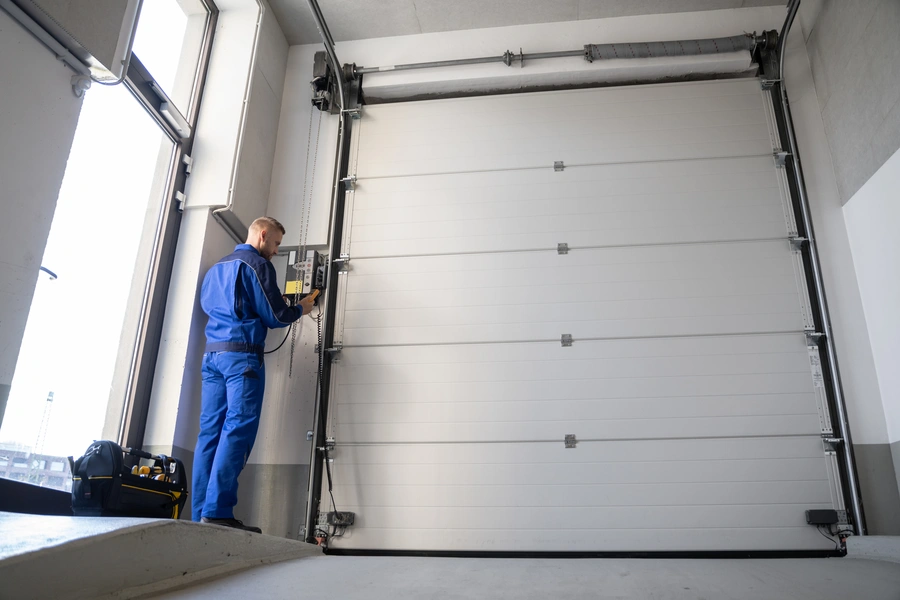
Why Proper Spring Balance Matters With Daily Door Use
Balanced spring tension keeps door movement steady and controlled. In garage door maintenance, this balance reduces wear on rollers, cables, and hinges. A well-balanced door stays in place when opened halfway. That simple test shows the springs are doing their job. When balance is off, motors work harder and fail sooner. This leads to higher repair costs and safety risks. Proper balance also reduces noise during operation. Quiet movement often means less friction and strain.
Benefits Homeowners Notice From Correct Spring Setup
Correct spring tension brings real benefits you can see and feel. In garage door maintenance, spring care supports long-term performance and safety. When springs work as designed, doors open with little effort. This protects automatic openers from burnout. It also limits sudden drops that can cause injury. Many homeowners notice smoother movement right away. Consistent balance also helps the door seal properly at the floor.
- Smoother opening and closing motion
- Longer opener life with less motor strain
- Reduced noise and vibration during use
- Lower risk of sudden door failure
Common Problems Caused by Incorrect Spring Tension
Incorrect tension creates problems that grow over time. Springs that are too tight can cause fast closing and slamming. Springs that are too loose may struggle to lift the door. Both issues stress cables and tracks. Doors may lean to one side or jerk during movement. Safety sensors may fail due to uneven motion. These issues often appear before full spring failure. Early correction prevents damage and improves user safety.
How Technicians Adjust and Test Spring Tension Safely
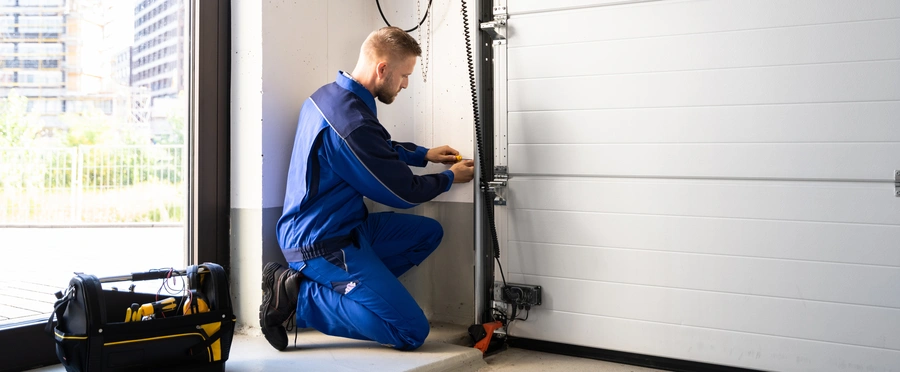
Spring adjustment requires proper tools and training. Technicians follow a clear process during service. They first check door balance by hand. Next, they inspect springs for rust or cracks. Tension is adjusted in small steps to avoid shock. After adjustment, the entire system gets tested. This method reduces risk and ensures smooth results.
- Disconnect the opener to test manual balance
- Inspect springs, cables, and mounting points
- Adjust tension in measured turns
- Test door movement and safety features
Best Practices With Long-Term Spring Care
Routine care extends spring life and improves door safety. Simple habits reduce the chance of sudden failure. Visual checks help spot gaps or rust early. Lubrication reduces friction between coils. Avoid forcing the door if it feels heavy. Schedule inspections before harsh seasons arrive.
- Lubricate springs twice each year
- Listen for new grinding or popping sounds
- Test balance every few months
- Call a professional when movement feels uneven
Standards, Cost Factors, and When Replacement Makes Sense
Industry standards guide safe spring design and lifespan. Most torsion springs last about 10,000 cycles. One cycle equals one open and close. Heavy use shortens that span. Costs depend on door weight and spring type. Replacing springs early can save money by preventing opener damage. New springs often improve balance and reduce noise right away.
Caring for Your Door System With Expert Support
Located in Katy, TX, we help protect doors by keeping spring tension set correctly. Solutions Garage Door focuses on safe adjustments, clear pricing, and long-term value. Call (281) 827-3172 to schedule an inspection or ask questions about spring performance. We address issues early and support reliable door operation for every customer.