
Understanding Risks and Smart Actions With Mechanical and Electrical Systems
Garage door opener systems mix heavy moving parts and household power. This mix creates real safety risks during any fix or adjustment. Many injuries happen from springs snapping or doors dropping fast. Others come from wiring mistakes or unclear steps. Knowing safe actions before you start can prevent harm to you and your property. This guide explains clear safety tips that help reduce risk. It also shows when calling trained help makes sense.
Why Safe Methods Matter With Home Door Systems
Safety planning matters because many homeowners try a garage door opener repair without full knowledge. The door can weigh over 150 pounds. One slip can cause serious injury. Power tools and live wires add more danger. Using safe steps helps protect hands, eyes, and even the door itself. Taking time to prepare reduces mistakes and keeps small issues from turning costly.
Benefits You Gain by Following Clear Safety Rules
Using proper safety steps during garage door opener repair protects both you and your home. It also saves time and stress. Fewer mistakes mean fewer repeat fixes. You also avoid damage to tracks, motors, and wiring. Most important, these steps lower injury risk, which remains a top concern in home repairs.
Key Advantages of A Careful Repair Approach
- Reduced chance of hand and finger injuries
- Lower risk of electric shock from exposed wires
- Longer life for motors and drive systems
- Stable door movement after adjustments
- Better control over repair costs
Common Challenges Homeowners Face During Fixes
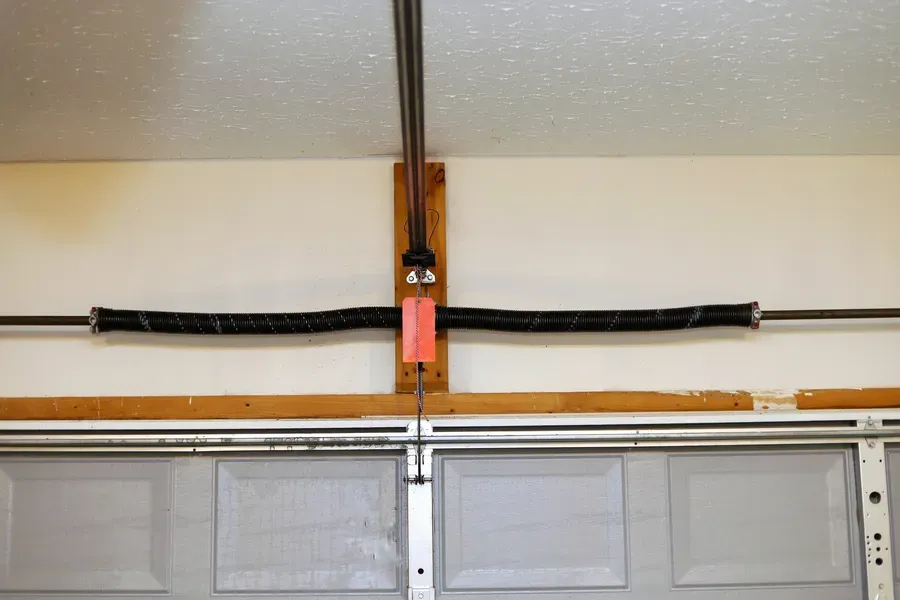
Many people struggle with tension springs and unclear manuals. Springs store high energy and can release fast. Others guess at wiring steps without cutting power. Some doors become unbalanced after small changes. Poor lighting in garages also causes errors. These challenges explain why many injuries happen during DIY attempts.
How to Prepare Before You Start Any Work
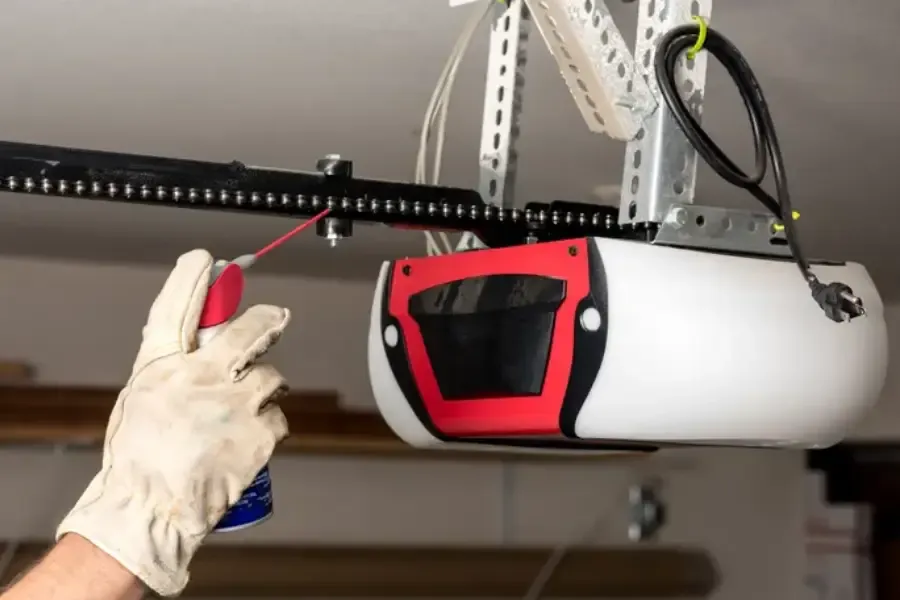
Preparation lowers risk and improves results. Start by clearing the area around the door. Children and pets should stay away. Unplug the opener and turn off the breaker. Wear gloves and eye protection. Keep tools organized and within reach. These steps create a safer space before any part moves.
Basic Safety Steps to Follow in Order
- Disconnect power from the opener unit
- Lock the door in place using clamps
- Release tension only with proper tools
- Check cables for wear before adjustments
- Test movement slowly after completion
Best Practices Shared by Industry Professionals
- Never loosen springs without training
- Use ladders rated for your weight
- Label wires before removal
- Replace worn parts instead of bending them
- Stop work if the door shifts unexpectedly
Understanding Standards and Safety Requirements With Compliance
Garage door systems follow safety standards set by groups like UL and ANSI. These rules cover force limits and automatic reverse features. Modern openers must stop when they hit resistance. Ignoring these standards can cause door failure. Following them also helps maintain insurance coverage and property value.
Cost Considerations When Safety Steps Are Ignored
Skipping safety steps often raises costs later. A damaged motor or bent track costs more than proper tools. Medical bills from injuries raise expenses even more. Hiring trained help may seem costly at first. In many cases, it costs less than fixing mistakes caused by rushed work.
Choosing the Right Option With Pros and Cons
- DIY work saves initial money but increases risk
- Professional service costs more but adds safety
- New parts improve reliability but require setup
- Older systems cost less now but fail sooner
Smart Next Steps for Safe and Reliable Results
Located in Katy, TX, we help homeowners reduce risk during complex door system work. Solutions Garage Door focuses on safe methods and clear communication for every project. Call (281) 827-3172 to discuss options that protect people and property. We use proven steps that support long-term performance and peace of mind.